
Hours vary the Central Coast (805) 430-6304
California Title 24 Window Compliance Explained

Family-owned · Central Coast Local

4.9 from 69 Google reviews

California Title 24 Window Compliance Explained

What the state's energy code means for homeowners replacing windows on the Central Coast.

Call or text (805) 430-6304

Request an estimate

Tell us what you need
No obligation · Responds within 1 business day


By submitting this form you agree that we may contact you about your request and share your name and email address with partner companies for email marketing. We never share your mobile number or text message consent with third parties or affiliates for marketing or promotional purposes.

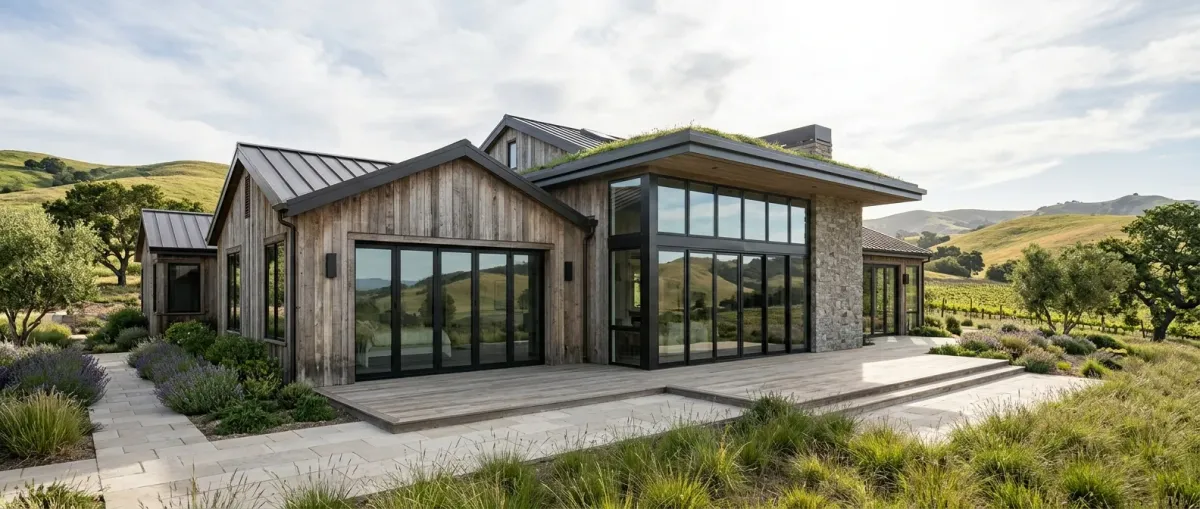
u factor work, project example in Buellton, CA

What Title 24 Requires for Windows

California's Title 24 Building Energy Efficiency Standards set minimum performance requirements for windows installed during new construction and most remodels. If you're planning a window replacement project, these standards aren't optional. They determine which products qualify and which don't. Understanding the basics before you shop saves time and prevents surprises at the permit stage.

Windows on California's Central Coast face conditions that make energy performance especially important: coastal moisture, salt air, marine layer fog, UV exposure, and temperature swings that shift from cool mornings to warm afternoons. The right window doesn't just pass inspection, it keeps your home more comfortable and trims your energy bills year-round.

What Title 24 Actually Is

Title 24 is California's Building Energy Efficiency Standards, updated on a roughly two-year cycle by the California Energy Commission. It covers insulation, lighting, HVAC, and fenestration, the industry term for windows, doors, and skylights. When you pull a permit for a remodel or replacement, the windows you install must meet the minimum ratings for your climate zone. California is divided into 16 climate zones, and the required performance thresholds vary by zone. Coastal Santa Barbara County sits in different zones than inland Paso Robles, which is why a window that clears the bar in one city may not in another. A licensed contractor who works across all three counties, like the team at Mountain View Windows, will know which zone applies to your address before they ever write up an estimate.
u factor work, project example in Buellton, CA

Key Metrics

The Three Ratings That Determine Compliance

U-Factor

Measures how well the window insulates against heat loss. Lower numbers mean better insulation. Title 24 sets a maximum U-Factor, exceed it and the window doesn't qualify. Double pane units typically perform well here; single pane almost never do.

Solar Heat Gain Coefficient (SHGC)

Measures how much solar heat passes through the glass into your home. A lower SHGC means less heat entering on a hot day, important for inland climates like Solvang or Paso Robles where summer afternoons get intense. Coastal homes in mild microclimates sometimes get more flexibility here.

Visible Transmittance (VT)

Balances how much natural light the window lets in against its energy performance. A very low VT means a darker interior; too high and the glass may allow more solar heat than the SHGC allows. Title 24 doesn't always set a hard VT minimum, but it factors into the overall energy compliance calculation.

Why Compliance Matters Beyond the Permit

Stays current during remodels

Any permitted remodel that touches windows triggers Title 24 review. Non-compliant windows discovered mid-project can stop work and require costly replacements.

Lowers utility bills

The ratings Title 24 enforces, U-Factor, SHGC, are the same ones that reduce heat transfer. A compliant window is a more efficient window. Check our post on how much you can save with energy-efficient windows for specifics.

Makes the home more comfortable year-round

Windows that meet current standards reduce drafts, cold spots in winter, and radiant heat in summer, without relying on the HVAC to compensate.

Protects resale value

A home inspector will flag unpermitted work. Buyers and lenders in California are increasingly savvy about energy upgrades; compliant windows are a selling point, not just a checkbox.

Central Coast Climate Zones and What They Mean

Santa Barbara County spans multiple Title 24 climate zones. Coastal cities like Santa Barbara and Carpinteria fall into zones where marine influence moderates temperatures, the SHGC requirements there reflect mild summers rather than extreme heat. Inland cities like Solvang, Los Olivos, and the Santa Ynez Valley experience wider temperature swings and stronger afternoon sun, pushing the performance bar higher on solar heat gain. San Luis Obispo County follows a similar pattern: Arroyo Grande and Pismo Beach sit in coastal zones, while Paso Robles and Atascadero see more extreme summer heat and require windows that manage solar gain more aggressively. Ventura County's inland cities, Thousand Oaks, Simi Valley, are in warmer zones than the coast. Knowing your climate zone before you select a product isn't optional; it's the difference between a window that passes inspection and one that has to come back out. We pull this information as part of every estimate.
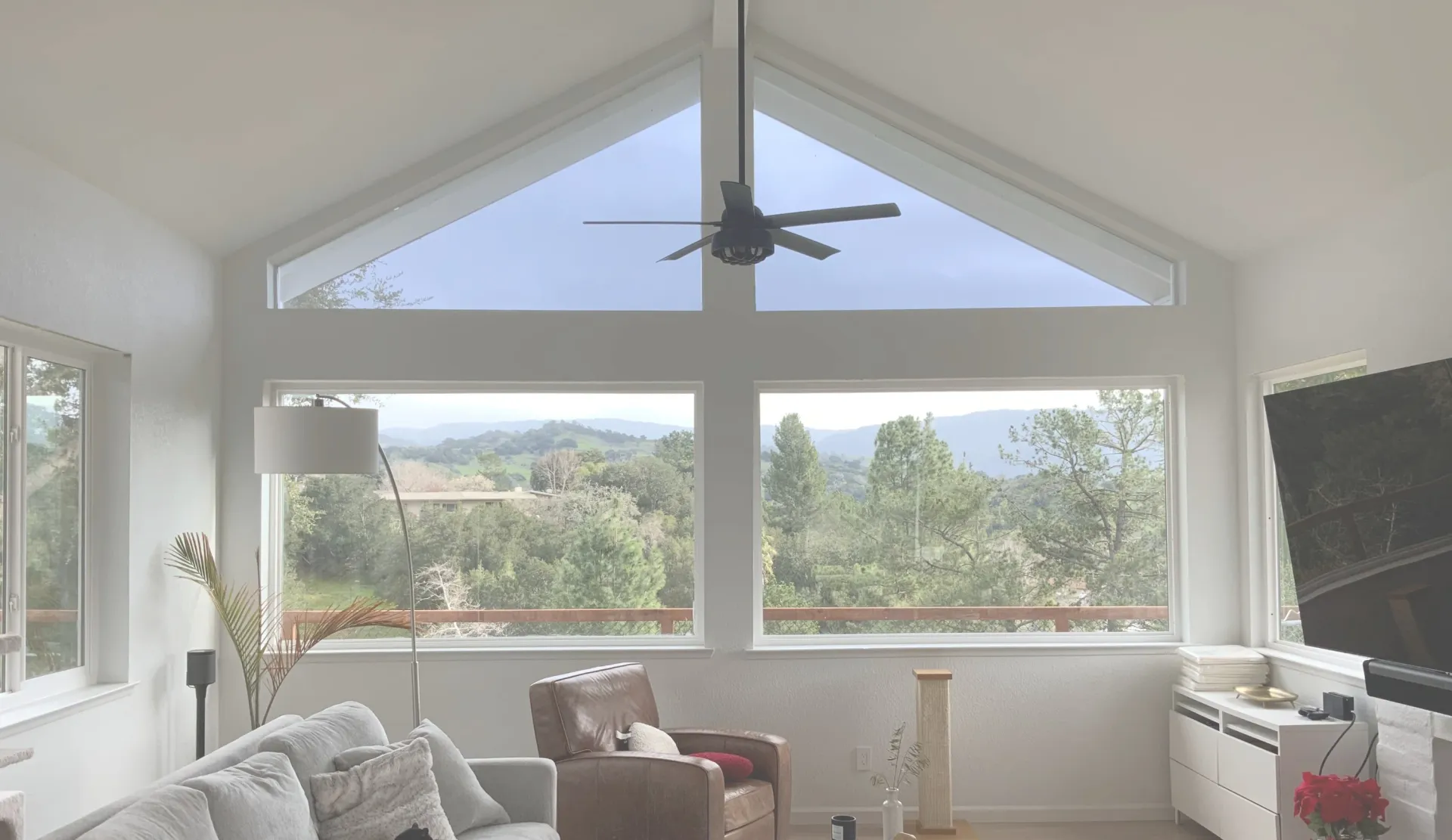
Large multi-pane windows installed in a modern living room with mountain views, representative of Central Coast residential installations.

Our Process

How Mountain View Windows Handles Compliance

Identify your climate zone

Before recommending any product, we confirm which Title 24 climate zone applies to your address. The required U-Factor and SHGC thresholds follow from that.

Specify compliant products

We carry window lines, including vinyl window options, rated for California's coastal and inland zones. We pull the NFRC label data to confirm compliance before anything gets ordered.

Support the permit process

We've been doing permitted installs across Ventura, Santa Barbara, and San Luis Obispo Counties for over 35 years. We know what local building departments need and how to keep the paperwork from slowing your project down.

Title 24 and ENERGY STAR: Related But Different

Homeowners often ask whether a window that carries the ENERGY STAR label automatically meets Title 24. The short answer: not always. ENERGY STAR certification is a federal program administered by the EPA. It sets performance thresholds by climate region, Northern, North-Central, South-Central, and Southern. California uses its own climate zones, which don't map perfectly onto ENERGY STAR's four regions. A window that qualifies for ENERGY STAR's Southern region may or may not hit Title 24's requirement for a specific California zone. The reliable check is the NFRC label, a white sticker on every rated window showing the actual U-Factor, SHGC, and VT numbers. If those numbers meet your zone's Title 24 minimums, the window qualifies. If you want more background on why ENERGY STAR still matters as a baseline, our post on why ENERGY STAR windows are worth it covers that angle. For permit compliance, though, always verify against the Title 24 zone requirements.
u factor work, project example in Buellton, CA

Questions Homeowners Ask About Title 24

Does replacing a single window trigger Title 24?
It depends on whether you pull a permit. Many single-window replacements are done without permits in older homes, but any permitted work, especially if it involves structural changes or a large opening, requires compliant products. When in doubt, ask a licensed contractor. We're happy to talk through what applies to your specific project.
My house was built in the 1970s. Do older homes get an exemption?
No exemption for age. Title 24 applies to the work being done, not to the age of the structure. If you're pulling a permit for replacement windows in a 1960s ranch house, the new windows must meet current standards for your climate zone.
Are there windows that meet Title 24 in every California climate zone?
Some high-performance windows, particularly dual-pane units with low-e coatings, meet the thresholds across a wide range of zones. But 'meets Title 24' isn't a single universal rating; it's zone-specific. We specify by zone to make sure you're covered.
What's the difference between a U-Factor requirement and an SHGC requirement?
U-Factor governs insulation, how much heat the window lets escape in winter (or enter in summer through conduction). SHGC governs solar heat gain, how much radiant heat from sunlight passes through the glass. Coastal zones often have tighter SHGC limits because summer cooling loads matter more there. Inland zones with cold winters sometimes prioritize U-Factor. Title 24 sets both, and both must be met.

Ready to Replace Your Windows the Right Way?

Title 24 compliance isn't complicated when you work with someone who knows the zones.

Related

Next step

Tell us about the job

Your name, your number and what needs doing. A person from Mountain View Windows gets back to you.

Rather talk now?(805) 430-6304

No obligation · Responds within 1 business day


By submitting this form you agree that we may contact you about your request and share your name and email address with partner companies for email marketing. We never share your mobile number or text message consent with third parties or affiliates for marketing or promotional purposes.