Family-owned · Central Coast Local
4.9 from 69 Google reviewsWhat Fire-Rated Glass Actually Does
Ordinary windows fail in minutes during a house fire, fire-rated glass is engineered to buy time.
Call or text (805) 430-6304Request an estimate
Tell us what you need
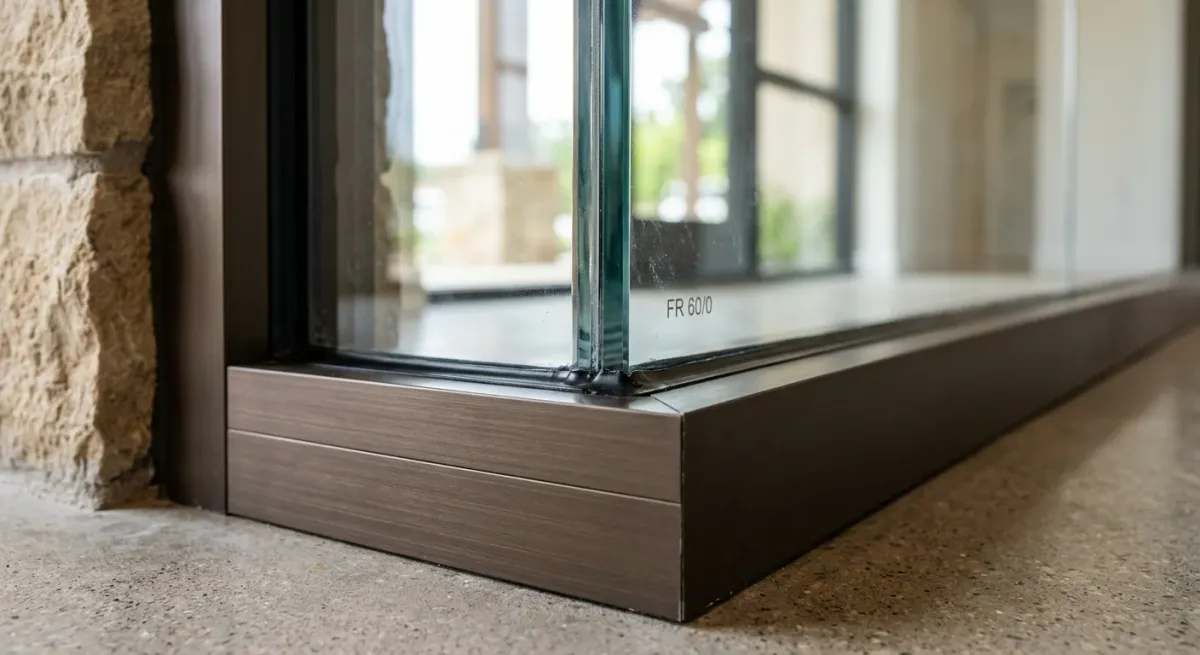
How Fire-Rated Glass Works Under Extreme Heat
Fire-rated glass is a purpose-built window material engineered to slow the spread of flames, smoke, and radiant heat. It won't stop a fire from starting, but it creates a barrier that holds long enough to matter, long enough for people to get out and for the fire to lose some of its path. For homeowners in wildfire-prone areas along California's Central Coast and Southern California, that's not a theoretical benefit. It's a practical one.
Conventional glass shatters at approximately 250°F, and tempered glass at 500°F. Most house fires reach temperatures around 1,100°F. Ordinary windows break within minutes, and once breached, a fire moves fast, through curtains, furniture, and everything else. Fire-rated glass can endure temperatures up to 1,500°F, which is why it passes the kind of safety testing conducted by independent laboratories under national fire standards. If you're weighing a full window replacement and live anywhere near brushland or a fire-prone corridor, fire-rated glass deserves a spot in that conversation.
Why Standard Windows Fail in a Fire
The temperature gap between ordinary glass and a real fire is wider than most homeowners expect.
Conventional Glass
Breaks at roughly 250°F. In a house fire, that threshold is crossed within the first few minutes, often before occupants realize the scope of what's happening.
Tempered Glass
Stronger than standard glass, but still shatters at around 500°F. A useful safety upgrade in most contexts, but not a meaningful barrier against fire spread.
Average House Fire Temperature
Most residential fires reach 1,100°F or higher. At that temperature, windows aren't just cracking. They're failing completely and opening a direct path for flames and superheated air.
Fire-Rated Glass
Engineered to withstand up to 1,500°F. Tested by independent labs under national fire safety standards to confirm it holds under sustained fire exposure, not just brief thermal spikes.
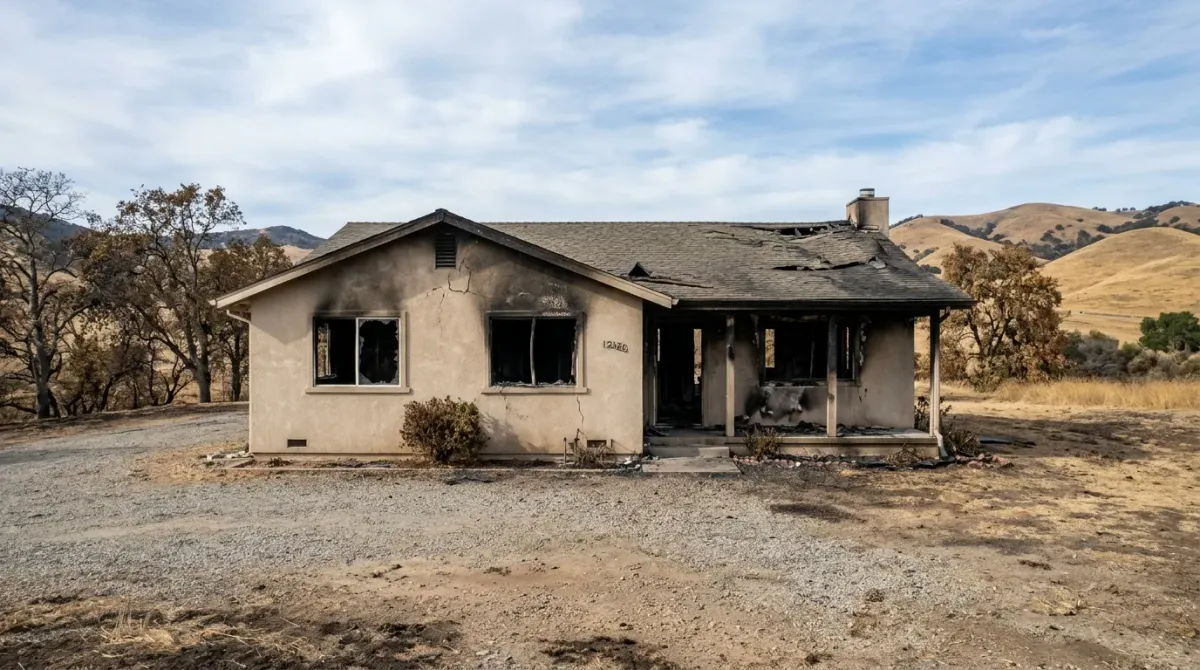
A Real Barrier Against Wildfire Spread
Central Coast Context
Why This Matters Specifically Here
Wildfire exposure is a structural risk, and windows are one of the first points of failure.
How Fire-Rated Glass Is Verified
Not every product that claims fire resistance has the testing to back it up. Here's how it actually gets certified.
Independent Lab Testing
Fire-rated glass is submitted to third-party laboratories, not the manufacturer's own facility, for controlled fire exposure testing. The glass must maintain its integrity for a specified duration, measured in minutes, at defined temperatures.
National Safety Standards
Tests follow standards set by national organizations such as NFPA and ASTM. These standards define the temperature curves, duration, and failure criteria. A rating of '45-minute' or '90-minute' fire resistance refers to performance under these standardized conditions.
Product Labeling and Documentation
Certified fire-rated glass carries a permanent label from the testing lab, not just from the manufacturer. When Mountain View Windows installs fire-rated glazing, we can show you the product documentation before the job starts. CA Lic. #1104609.
Common Questions
Fire-Rated Glass: What Homeowners Ask
Is fire-rated glass the same as tempered glass?
Does fire-rated glass look different from regular glass?
Is fire-rated glass required by California building code?
Does fire-rated glass provide any other benefits besides fire resistance?
Questions About Fire-Rated Windows for Your Home?
Buster and Aaron have 35 years in the construction trade and install windows across Ventura, Santa Barbara, and San Luis Obispo Counties. If you want a straight answer about whether fire-rated glass makes sense for your property, call or use the form, no sales pressure, just information.
Related
Next step
Tell us about the job
Your name, your number and what needs doing. A person from Mountain View Windows gets back to you.
Rather talk now?(805) 430-6304